7 Best Beaches on Cyprus' East Coast (Beyond Ayia Napa)
Discover hidden coves, family-friendly bays, and crystal-clear waters away from the crowds
Why the East Coast?
Cyprus’ east coast — from Cape Greco down to Ayia Napa — has some of the cleanest, warmest water in the Mediterranean. The beaches here are predominantly sandy (unlike the rocky Paphos coast), and the water is shallow and calm, making it ideal for families. But everyone knows Nissi Beach and Fig Tree Bay. Here are seven beaches that offer something different.
1. Konnos Bay
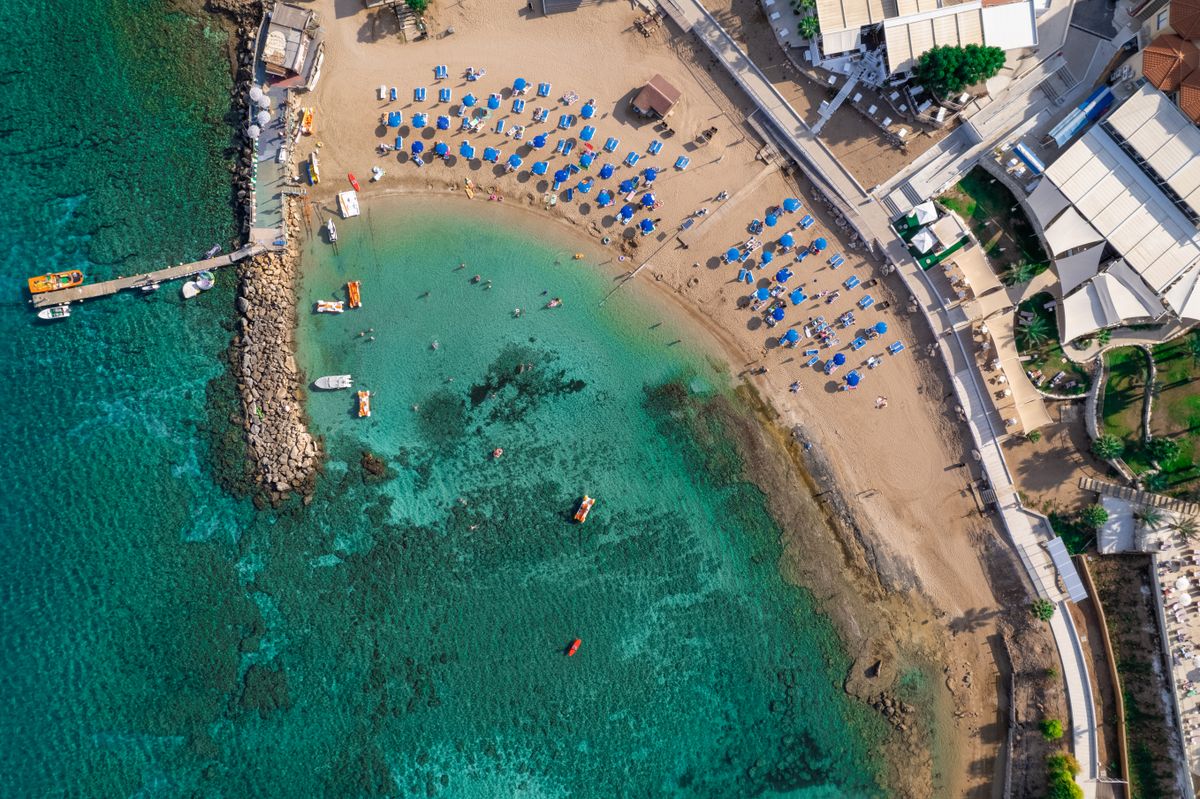
Tucked between Cape Greco and Protaras, Konnos Bay is a crescent of golden sand framed by low cliffs. The water is impossibly turquoise and shallow for a long way out, making it perfect for swimming and paddleboarding. There’s a beach bar, sunbeds, and water sports, but it never feels as crowded as the main Protaras beaches. Arrive before 10am in peak summer to grab a good spot.
Good to know: There’s a cliffside cafe with spectacular views — walk up the path to the left of the beach. The bay is also a popular stop for boat trips from Ayia Napa.
2. Blue Lagoon (Cape Greco)
Not to be confused with the Blue Lagoon near Latchi on the west coast, this one is accessed by boat from Ayia Napa’s harbour or on foot via the Cape Greco coastal trail. The water here is so clear you can see the bottom at 10 metres. It’s not a sandy beach — it’s a rocky cove — but the snorkelling is the best on the island. Bring water shoes for the rocks.
Boat trips from Ayia Napa run multiple times daily and cost €15–30, often including a meal and drinks. The boats anchor in the lagoon and you swim from the boat.
3. Landa Beach
Landa (or Golden Sands) is the beach Ayia Napa locals go to when they want to escape the Nissi Beach crowds. It’s a 10-minute drive from the centre, a wide stretch of fine sand with clear, shallow water. There’s a small beach bar and limited sunbeds — arrive early. The sunset here is magnificent, and in the evening it’s perfect for a quiet swim.
4. Glyfades Beach
A hidden gem near the village of Sotira, Glyfades is actually two small sandy coves separated by a rocky outcrop. There are no facilities — no sunbeds, no cafe, no toilets — but that’s the point. You’ll often have it to yourself, even in August. Pack water, snacks, and an umbrella. The water is crystal-clear and great for snorkelling around the rocks.
To find it: drive towards Sotira village and follow the signs to the coast. There’s a small dirt-track parking area.
5. Macronissos Beach
Just west of Ayia Napa, Macronissos is a series of three connected sandy bays. It’s popular with families because the water is shallow and calm, and there’s plenty of space. The beach has good facilities — sunbeds, umbrellas, and a beach bar — but retains a quieter, more relaxed feel than the main Ayia Napa beaches. It’s also a great spot for watching the sunrise if you’re an early riser.
6. Potamos Liopetriou
This isn’t a beach in the traditional sense — it’s a river mouth that flows into the sea, creating a unique swimming spot. The water is brackish, calm, and warm, surrounded by fish tavernas. It’s a favourite with locals for a lazy lunch followed by a swim. The surrounding village of Liopetri is one of the most authentic in the area, famous for its red soil and potato fields.
It’s about 15 minutes from Ayia Napa and 10 minutes from Protaras. There are no sunbeds — this is a locals’ spot.
7. Fireman’s Beach (Protaras)
Officially called Vryssi Beach but known to everyone as Fireman’s Beach (there’s a fire station nearby), this is one of Protaras’ quieter options. It’s a small sandy bay with clear water and fewer crowds than Fig Tree Bay. There’s a beach bar and sunbeds, and it’s walking distance from Protaras centre but tucked away enough to feel hidden.
Top tip: The coastal path from Fireman’s Beach to Fig Tree Bay takes about 15 minutes on foot and offers beautiful sea views along the way.
Practical Tips for East Coast Beaches
- Sunbeds: Most organised beaches charge €2.50–5 per pair of sunbeds plus umbrella. Have coins handy.
- Parking: Beach parking is usually free but fills up by 10am in July and August. Arrive early or be prepared to park further away.
- Water shoes: Useful for rocky coves like Blue Lagoon and Glyfades.
- UV protection: The Cyprus sun is intense from May to October. Use reef-safe sunscreen, reapply after swimming, and avoid the sun between 11am and 3pm.
- Refreshments: Most beaches have at least a small kiosk, but for remote coves bring everything you need.