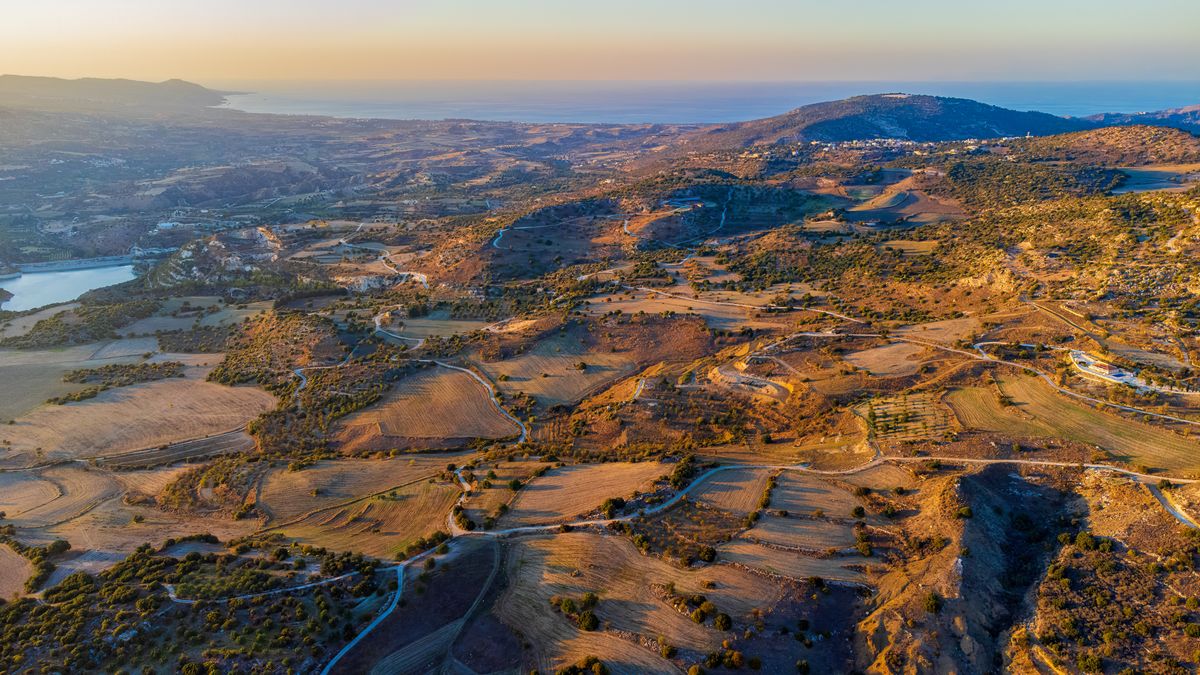
Cyprus in Winter: What to Do When the Crowds Disappear
Hiking, skiing, wine tasting, and ancient sites without a single tourist bus in sight
Why Visit Cyprus in Winter?
Most people associate Cyprus with summer beaches and sun loungers. But visit between December and March, and you’ll discover a different island entirely. The tourist crowds vanish, prices drop by 30–50%, and the weather — while not beach-warm — is mild and pleasant, typically 15–20°C during the day. You’ll have ancient sites to yourself, mountain trails all to your own, and the taverna food is at its most authentic (winter is when Cypriots eat out most, not tourists).
The sea is too cold for swimming (around 16–18°C), but that’s the only thing you’ll miss. Everything else about Cyprus is better in winter — if you know what to do.
Hiking the Troodos Mountains
Winter is hiking season in Cyprus. The Troodos Mountains, too hot from June to September, become a paradise of cool air, clear views, and forest trails. The highest peak, Mount Olympus (1,952m), even gets snow — and yes, there’s a small ski resort with four runs.
The best winter hikes include:
- Artemis Trail: A circular trail around the summit of Mount Olympus. 7km, about 3 hours. Spectacular views on clear days. The trail passes through black pine forest and unique alpine vegetation found nowhere else in Cyprus.
- Kaledonia Waterfalls Trail: A beautiful walk along a stream to a waterfall. 3km each way. The waterfall is most impressive in winter when the water is flowing. Start from the Platres side.
- Persephone Trail: A shorter option (3.5km) with panoramic views over the Mesaoria plain. Starts from the Troodos square.
- Cedar Valley: A remote and beautiful area with ancient cedars of Lebanon. Best combined with a visit to Kykkos Monastery.
Skiing: The Cyprus Ski Club operates from late December to March, depending on snow. There are four runs (two chairlifts, two T-bars). Equipment rental is available on-site. It’s not the Alps, but skiing in the morning and seeing the sea from the slopes is a unique experience.
Exploring Archaeological Sites Without Crowds
Summer at Kourion or the Paphos mosaics means sharing the site with tour groups from cruise ships. In winter, you might be the only visitor. The mild temperatures make exploring comfortable, and the low winter light makes the mosaics and ruins look their most dramatic.
Top winter picks:
- Kourion: The Greco-Roman theatre overlooking the sea is spectacular in winter light. Allow 2 hours.
- Paphos Archaeological Park: The mosaics are equally impressive year-round, but the lack of crowds means you can take your time.
- Choirokoitia: The Neolithic settlement (UNESCO) is fascinating and often empty. Good on a cool day when you’re walking the hillside.
- Salamis: The ancient city near Famagusta, in the north. Huge site, rarely visited in winter, with Roman baths and an impressive theatre.
Wine Tasting in the Villages
Winter is the best time for wine tourism in Cyprus. The wineries are quieter, the winemakers have time to talk, and the village tavernas serve their heartiest winter dishes. The Commandaria wine region — producing the world’s oldest named wine, dating back 800 years — is at its most atmospheric in winter.
The Troodos wine villages (Krasochoria) include Omodos, Lofou, Vouni, and Koilani. Many have small wineries you can visit without booking. Look for Xynisteri (white) and Maratheftiko (red) — indigenous Cypriot grape varieties you won’t find elsewhere.
For a special experience, visit Commandaria Castle in Kolossi, where the Knights Hospitaller produced Commandaria wine. The castle itself is a well-preserved medieval keep, and the surrounding vineyards still produce the sweet dessert wine that Richard the Lionheart called “the wine of kings and the king of wines.”
Cyprus Christmas and New Year Traditions
If you visit during the festive season, you’ll see a side of Cyprus that most tourists never experience. The cities are decorated with lights, and the atmosphere is warm and communal.
- Christmas markets: Limassol and Nicosia host Christmas villages with local crafts, food, and music. The Limassol Marina is especially pretty at night.
- Epiphany (January 6): Watch the traditional blessing of the waters at coastal towns. The priest throws a cross into the sea, and young men dive to retrieve it — a vibrant community event.
- Vasilopita: On New Year’s Day, families cut a special cake with a coin hidden inside. Whoever gets the coin has luck for the year. You’ll find vasilopita in most bakeries.
What to Pack
Winter in Cyprus is milder than most of Europe, but you still need warm clothes:
- Layers: A warm jacket for mornings and evenings, lighter clothes for midday when the sun is out
- Hiking boots if you plan to walk in the mountains — trails can be muddy after rain
- A rain jacket: December and January are the wettest months
- Sunglasses and sunscreen: The winter sun is still strong
- Swimwear: While the sea is cold, many hotels have heated pools, and some thermal springs (like the ones at Kalopanayiotis) are best in winter
Best winter base: Limassol or Paphos for restaurants and city life, or a mountain village like Kakopetria or Platres for hiking and nature.