 Tips
TipsCyprus Travel Guide: Everything First-Timers Need to Know
January 15, 2026 8 min
Two days of old town charm, marina-side dining, ancient ruins, and the best food in Cyprus
Limassol (Lemesos in Greek) is Cyprus’s second-largest city and its most cosmopolitan. It has a beautiful old town, a glittering marina, excellent beaches, ancient ruins nearby, and the best dining scene on the island. The city is compact enough to explore on foot, but large enough to keep you entertained for days. Whether you’re on a stopover, a weekend break, or using Limassol as a base to explore the rest of Cyprus, here’s how to make the most of 48 hours.
Morning (9:00am): Start with coffee at Menta in the old town. This stylish cafe has excellent coffee, pastries, and a courtyard that catches the morning sun. Order a Cypriot coffee (sketo, metrio, or glyko) or a flat white.
10:00am: Walk to Limassol Castle, built in the 14th century on the site of an earlier Byzantine castle. According to tradition, Richard the Lionheart married Berengaria of Navarre here in 1191 and crowned her Queen of England. The castle now houses the Medieval Museum, with pottery, tombstones, and weapons from the Crusader era. Allow 45 minutes.
11:00am: Wander through the old town. The narrow streets around Agiou Andreou and Agiou Nikolaou are full of restored Ottoman-era houses, artisan shops, and street art. Look for the Carob Mill Museum (a restored industrial building) and the Grand Mosque in the centre of the old market.
1:00pm: Lunch at Tilemachos or To Spitiko — traditional tavernas serving mezze and grilled meats. Order the sheftalia and a village salad. Alternatively, Ta Podia offers a more modern take on Cypriot cuisine.
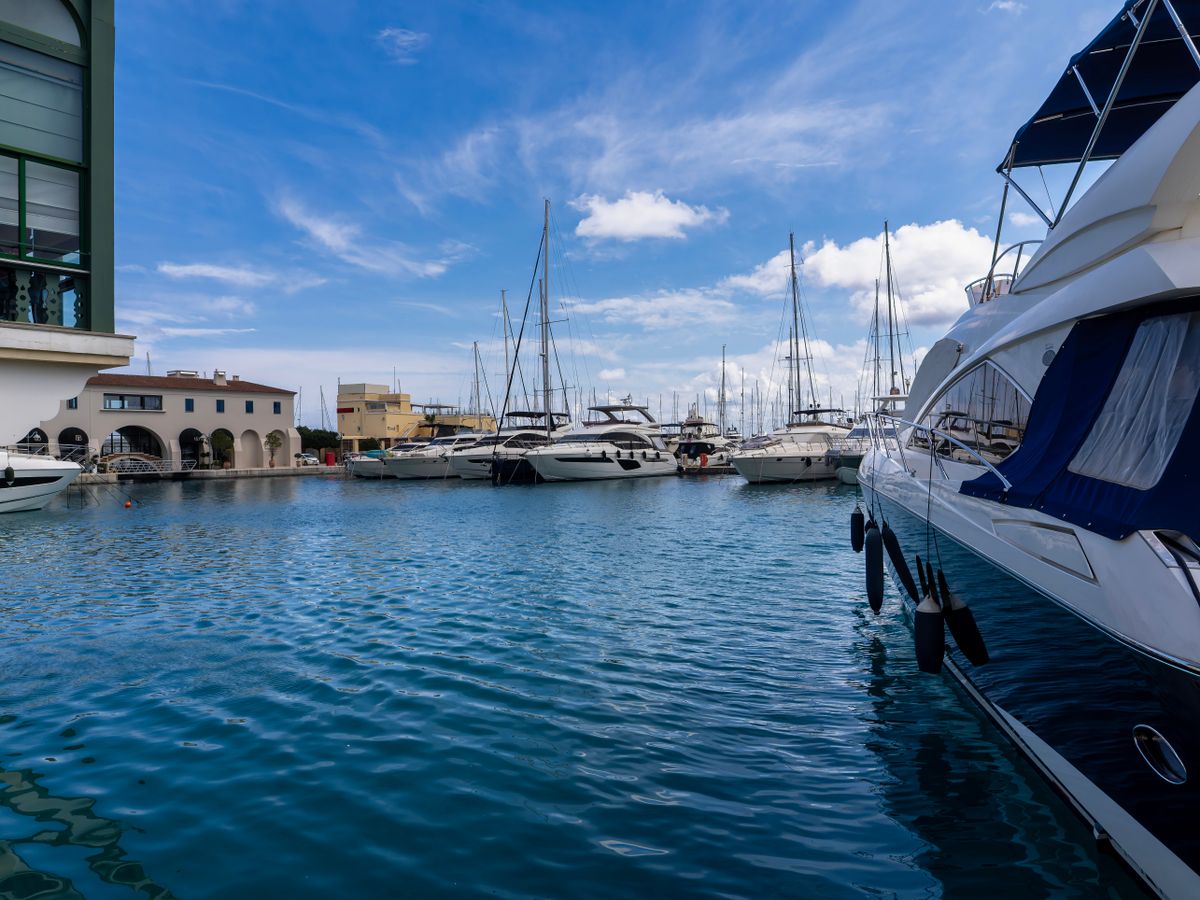
3:00pm: Walk along the Molos Promenade — a 3km seafront walkway lined with palm trees, sculptures, and gardens. It’s the heart of Limassol’s social life, where families, joggers, and couples all come to stroll. The promenade leads to the Limassol Marina, a luxury development with superyachts, shops, and restaurants.
5:00pm: Stop for an ice cream or coffee at the Marina. If you’re visiting between April and October, this is a great time for a swim at the small beach next to the marina.
7:30pm: Dinner at Oronas Restaurant (modern Mediterranean) or Symposio (traditional with a twist). For something special, The Gym in the marina is one of the best restaurants in Cyprus, with a tasting menu that changes seasonally. Book ahead.
10:00pm: Drinks at The Bitter Alibis (cocktail bar in the old town) or Sage (wine bar with a great Cypriot wine selection). The old town comes alive at night — wander down Saripolou Street for the liveliest bar scene.
9:00am: Pick up a car and drive 20 minutes west to Kourion (Curium). This ancient city-kingdom is one of the most spectacular archaeological sites in the Mediterranean, perched on a cliff overlooking the sea. Start with the Greco-Roman theatre (still used for summer concerts), then explore the House of Eustolios with its early Christian mosaics. Allow 2 hours. Go early — there’s no shade.
11:30am: Drive to the nearby Kolossi Castle, a 15th-century Crusader keep surrounded by vineyards. It’s a small but perfectly preserved medieval castle, and the views from the top are worth the climb. The surrounding area is where the Knights Hospitaller produced Commandaria wine, and you can still see the old sugar mill.
1:00pm: Drive into the Troodos wine villages. Omodos is the most picturesque — a traditional village with cobbled streets, a medieval wine press, and several small wineries. Have lunch at Katoi or Milou Tavern. Try the local wine — Xynisteri (white) or Lefkada (red) — and the village specialty, arkatena (bread with fennel seeds and sesame).
3:00pm: Visit a winery. Vlassides Winery in Koilani is one of the best — modern architecture, excellent wines, and knowledgeable staff. Tastings are €10–15 for 5–6 wines. Tsiakkas Winery in Pera Podi is another excellent option. Both are small, family-run operations that produce wines you won’t find outside Cyprus.
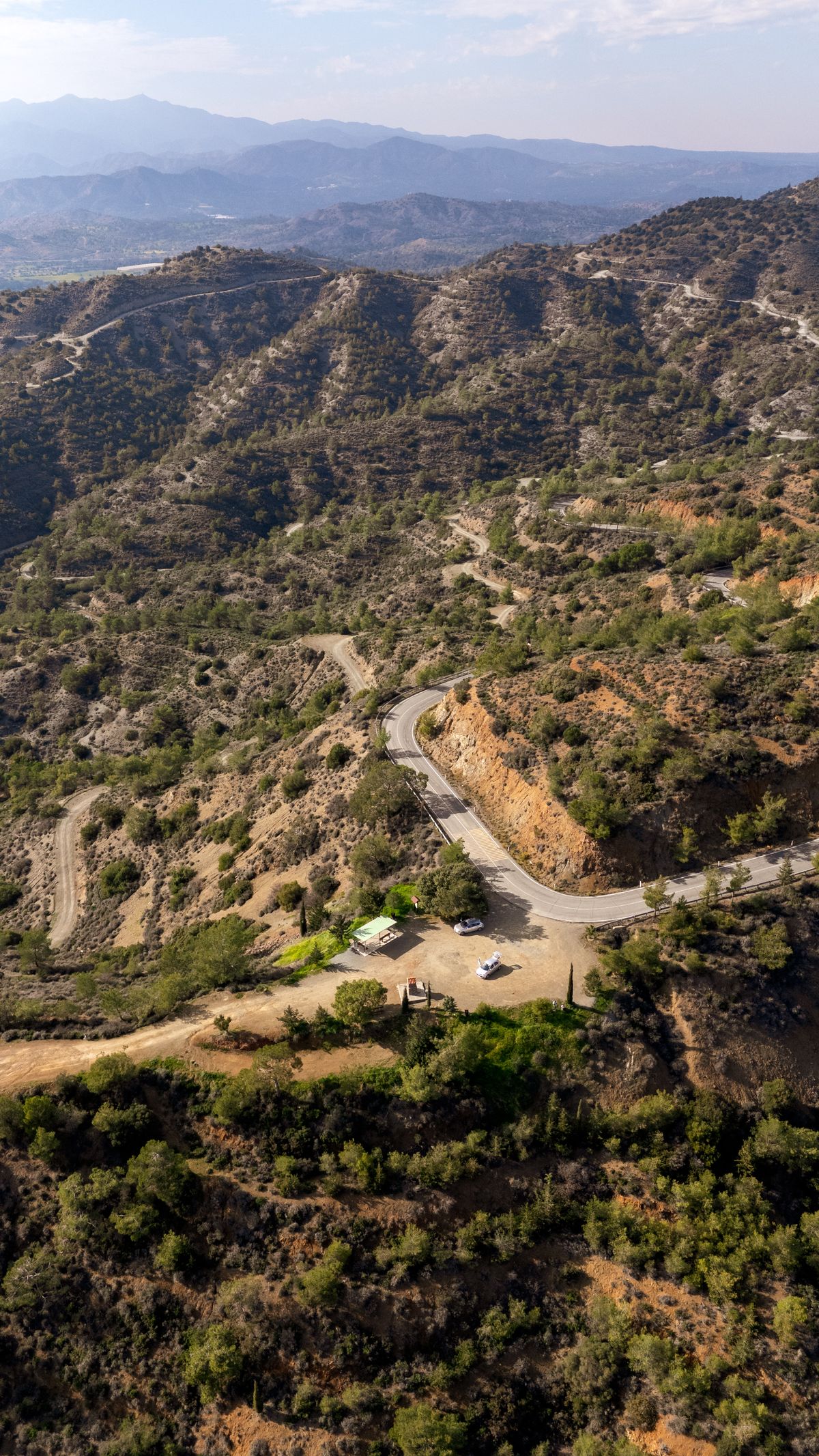
5:00pm: Drive back to Limassol via the scenic mountain road. If you have time, stop at Agios Nikolaos tis Stegis (St. Nicholas of the Roof), a UNESCO-listed 11th-century church with some of the finest Byzantine frescoes in Cyprus.
7:30pm: Final dinner in Limassol. If you haven’t tried it yet, Karousel offers refined Cypriot mezze — the perfect last meal. Or for seafood, Karousos Beach Restaurant on the Governor’s Beach road, where fresh fish is served on a terrace over the water.
The old town and marina are walkable. For Day 2 (Kourion, Kolossi, and wine country), you’ll need a car. If you don’t want to drive, you can book a guided day tour that covers these sites — several operators in Limassol offer them for about €50–70 per person, including transport and a guide.
Taxis are available throughout the city, and Bolt operates in Limassol. A taxi from the old town to the marina costs about €5–8. From Limassol to Larnaca airport is about €40–55.
Limassol is a year-round destination, but the best time for this itinerary is April–May or September–November. The weather is warm enough for the beach but not uncomfortably hot for sightseeing. Summer (July–August) is great for the beach but too hot for Kourion and the wine villages. Winter (December–February) is mild but can be rainy.
If you’re visiting in February or March, you might catch the Limassol Carnival — one of the biggest pre-Lenten carnivals in the Mediterranean, with parades, costumes, and street parties.
TipsWe use cookies to enhance your experience, analyze site traffic, and personalize content. You can choose which cookies to allow.
We use cookies to enhance your experience, analyze site traffic, and personalize content. You can choose which cookies to allow.